Thursday, 7 March 2013

outdoor activities


Playing outdoors is a form of excercise that promotes well being and wholesome physical development. Children love to play outdoors; it allows them to explore the environment, develop muscle strength and co-ordination and improves self-confidence.
Playing actively outdoors also increases flexibility and fine and gross motor skills. it also helps children to socialize in the playground with other children that are not in their classroom. Outdoors, children can use their outdoor voices and release a lot of energy while being loud and running, jumping, climbing, sliding etc.

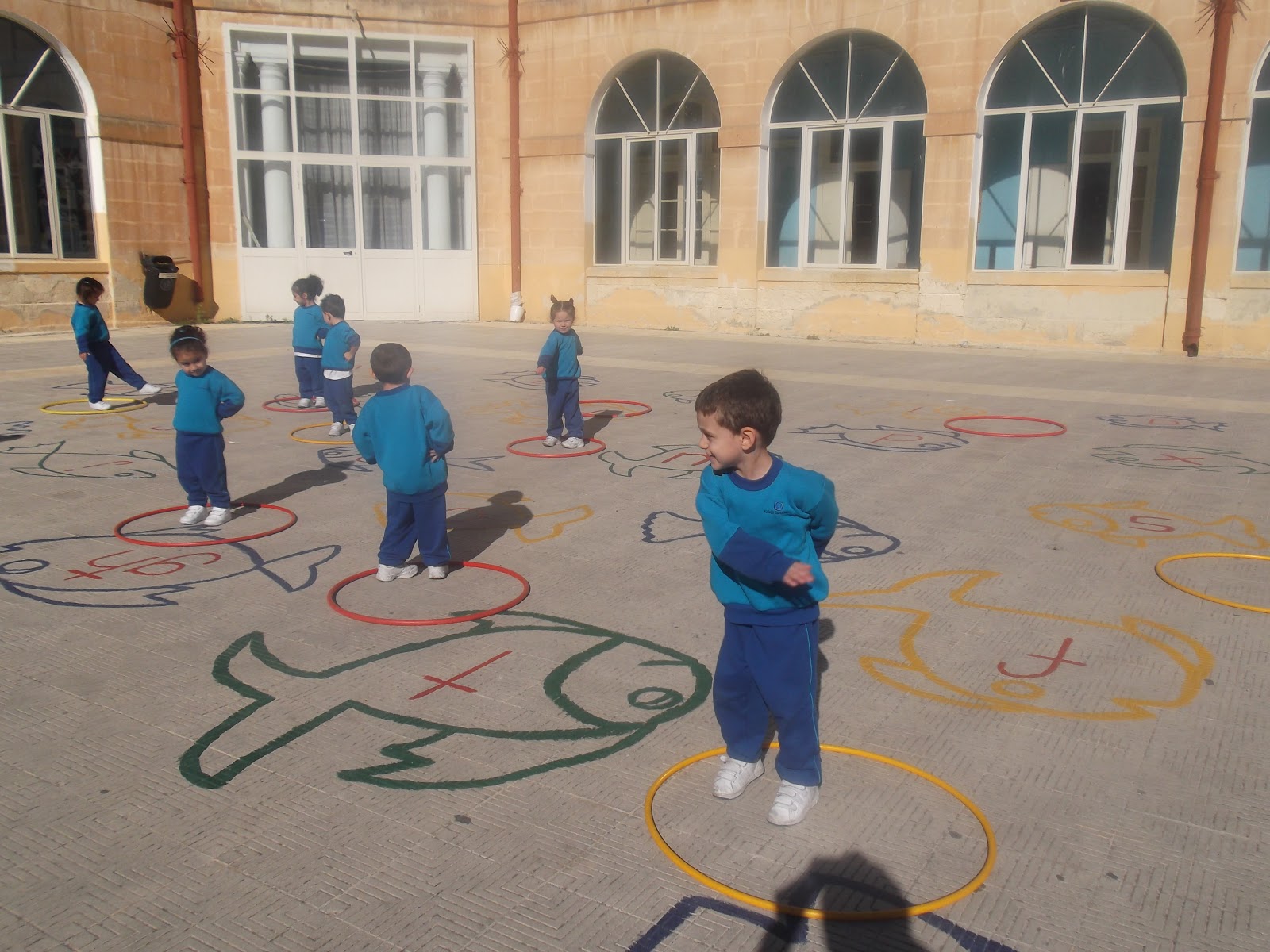
Hoola hoop activities for space awareness


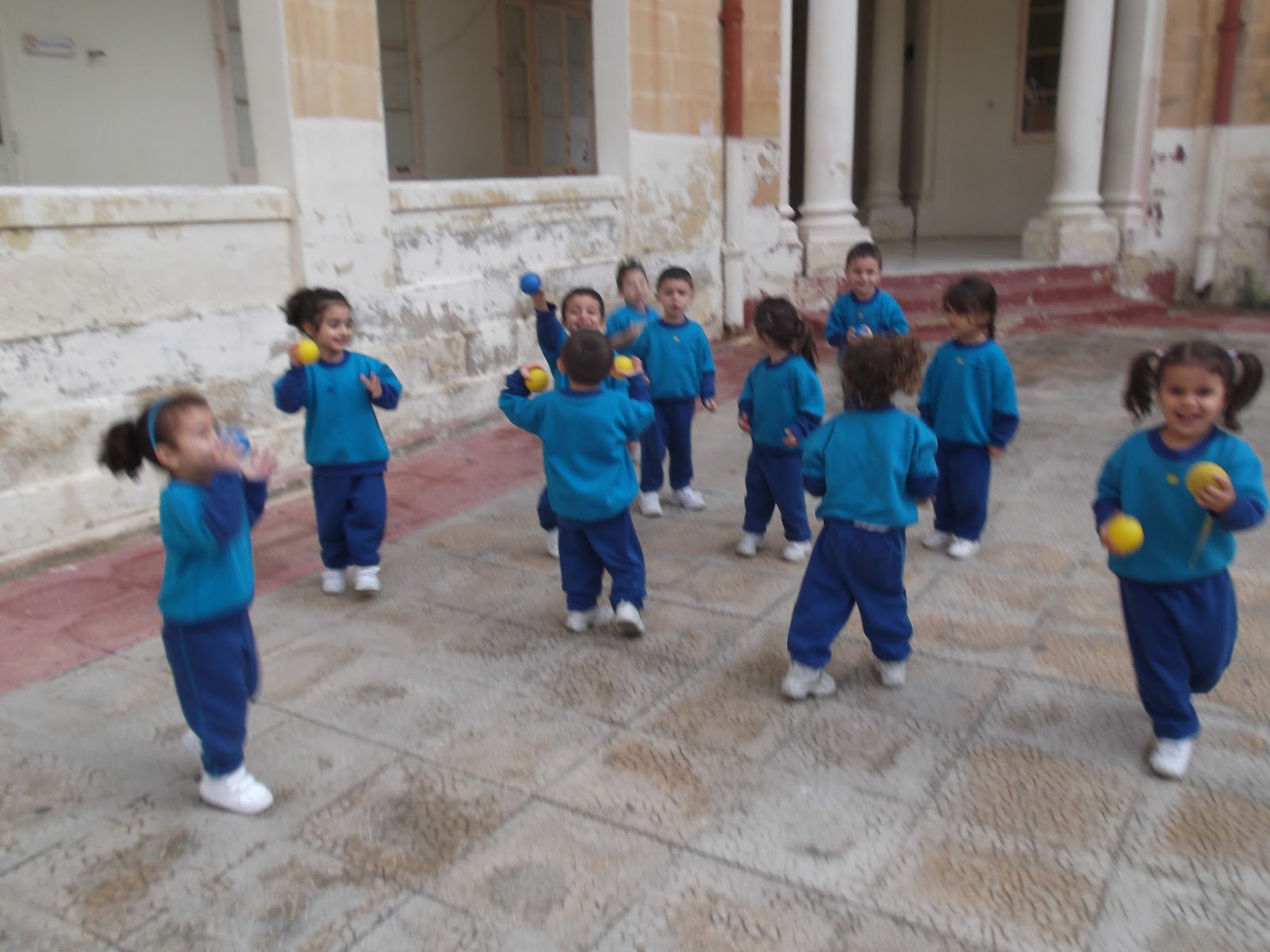
Sorting balls


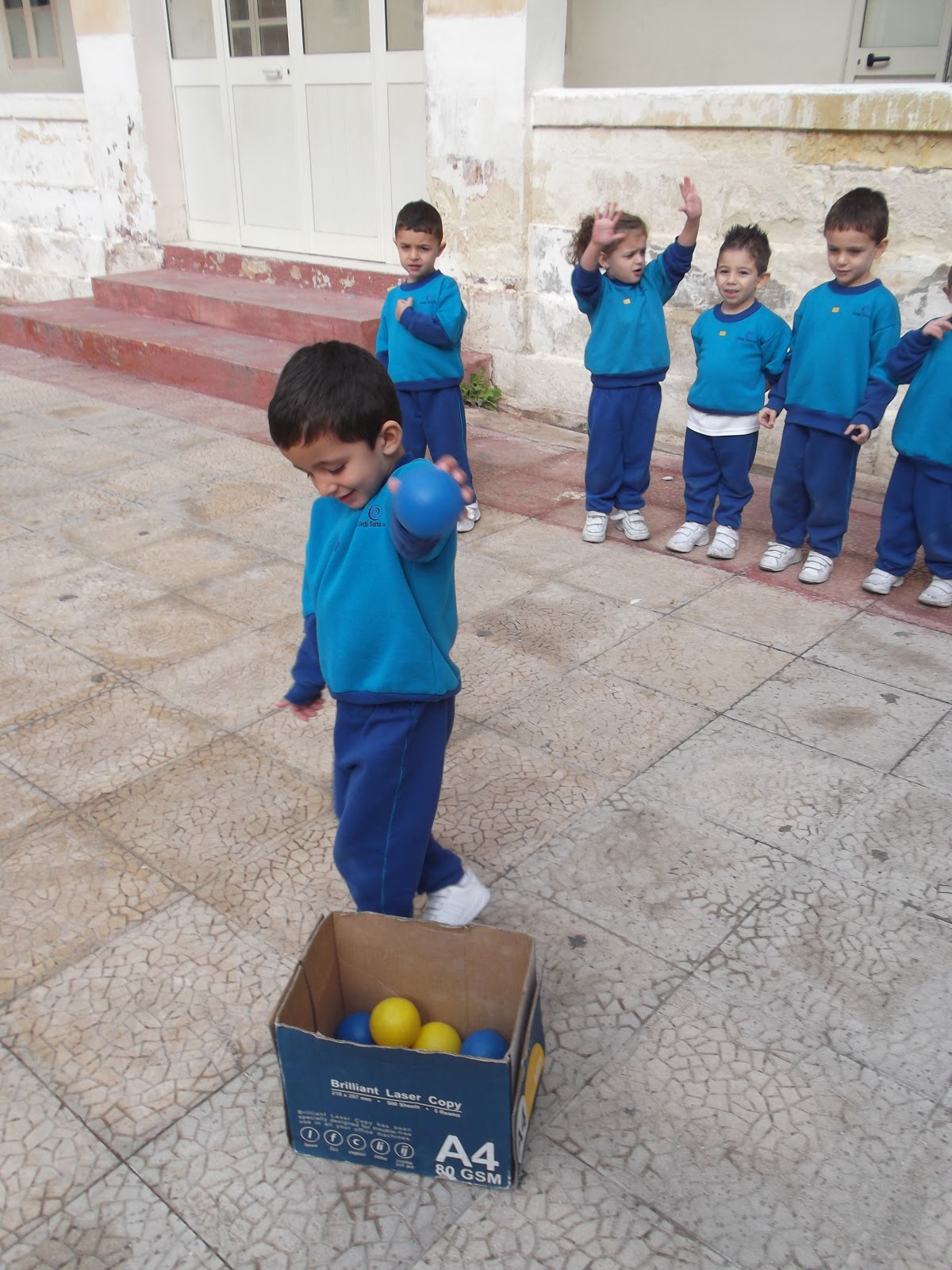
Sorting yellow and blue


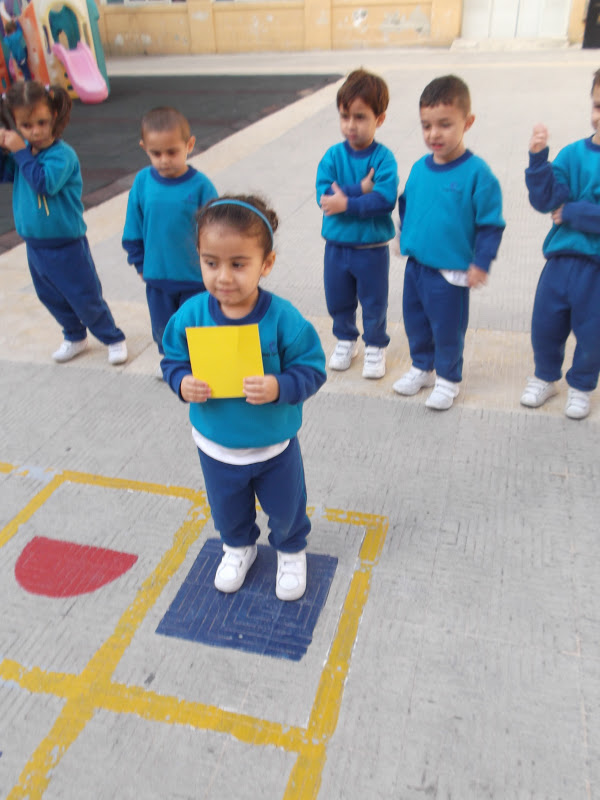
Finding circles and squares in the playground


cooking activties


Organizing cooking activities for kindergarten children teaches them how to measure, count, follow directions and use kitchen tools. The end products of these activities -- tasty snacks -- demonstrate the value of listening, learning and participating in the cooking process.
We also give great importance to hygiene and safety when cooking. It is better to teach children how to help around the kitchen safely, then to prohibit them from helping --- because they will surely try to experiment on their own and that can cause SERIOUS ACCIDENTS!

Construction and block play


Construction is similar to block play, except that all the pieces connect with eachother, whereas blocks balance. In class we have a variety of these types of tools available for the children to play and learn with.

There are many different areas of children's development that are promoted during these types of play.

Personal, social and emotional development:
  • Children are interested, excited and motivated to learn
  • try out new ideas and activities
  • share and take turns
  • build good relationships with other children and adults
Communication, language and literacy:
  • talk as they build
  • listen to eachother
  • make comments and ask questions
  • increasy vocabulary
Knowledge and understanding of the world:
  • find out about materials foam, plastic, wooden etc
  • learning building and constructing
Mathematical development:
  • they develop mathematical language such as : big, small, heavy, light
  • solve practical problems -- is this tower too tall?
  • develop space awareness
Physical development:
  • use blocks with confidence and safety
  • balance blocks with increasing control
  • develop hand - eye co-ordination
Creative development:
  • explore shape, forn, texture and space of blocks and construction toys
  • use senses to explore movement
  • use their imagination to construct

Sensory play


Children love to explore everything around them. the more ways that they can explore, the more they will learn. Sensory tables are designed to make exploration accessible to children while containing the mess sometimes associated with that exploration.

In our classroom we have different sensory table activities, which can help children develop fine motor skills, increase Maths and science skills and build brain connections through sensory play. While sensory activities are usually  in a special table with a shallow tub to hold materials, sensory play can also take place on our regular tabletops, in plastic dish tubs, in small water trays or outdoors.

Small world play


Small world play


Personal, social and emotional development:
  • children are intersted, excited and motivated to learn
  • they confidently play and try out new ideas
  • concentrate and show a range of feeling as they create play scenarios
  • take turns and share
  • make good relationships with others
  • show understanding of how other people feel through the people in their play stories
Communication, language and literacy:
  • enjoy talking and listening to other children as they play
  • enjoy making up their own stories and re-tell some stories that they already know as they play with small world toys
  • they extend their vocabulary
Physical development:
  • manipulate materials and objects by picking up, releasing, arranging and posting them
  • use their small world toys in a co-ordinated way with fine-motor skills
Mathematical development :
  • show an interest in space and shape by making arrangements with objects
  • use size language such as big and little
  • use words about position in space - next to , behind etc
  • solver practical problems eg - the toy falls over, so let's rest it agaisnt the house


Knowledge and understanding of the world:
  • observe, find out about and identify features in the place they live and their natural natural world
  • find out about small world materials and see how things work and can be changed
  • show curiosity, observe and manipulate objects
Creative development:
  • make play scenarios, express ideas, feelings and thoughts
  • engage in imaginative and role play based on their own experiences
  • create different stories alone and with others

Painting and Drawing

Painting and Drawing


Personal, social and emotional development:
  • children find out how to use different tools such as crayons, pens, coloured pencils, brushes and mostly their hands!
  • take turns and share
  • rescpect what other children draw or paint
  • choose what tehy want to draw or paint
  • feel proud of their art
Communication, language and literacy:
  • enjoy talking about their art
  • learn new words about drawing and painting
  • show interest about having their name written on their drawing
Physical development:
  • use art tools confidently and safely
  • develop their fine-motor skills -- learn how to hold tools with proper control
  • become aware of the space they need when drawing or painting
Mathematical development :
  • use number ideas in their drawings
  • make patterns and learn to sequence them
  • learn how to make shapes
Knowledge and understanding of the world:
  • they investigate paints and different materials
  • observe objects and living things more closely to decide what and how they will draw
Creative development:
  • explore colour, texture and shape, form and space in paintings and drawings
  • respond to how paint feels (finger and hand painting)
  • use their imagination to create whatever they wish


Home corner and technology corner


Home corner and technology corner


Physical development:
  • use equipment with more co-ordination and control
  • stir the pot, turn knobs, wash plates - manipulate things better
  • use a range of materials -- cuttlery, pans etc.

Mathematical development :
  • use number ideas such four places at the table
  • recognize shapes - square table, circle plate
  • mathematical concepts - empty, full etc
Knowledge and understanding of the world:
  • they find out about different materials - how plastic snaps or bends etc
  • choose utensils - pan for frying, spoon for eating etc
Creative development:
  • they express and communicate ideas, thoughts and feelings
  • use a range of objects in the home area, sometimes making believe they are something else
  • role play with others or on their own


    Personal, social and emotional development:
    • children are intersted, excited and motivated to learn
    • they confidently play and try out new ideas
    • concentrate and have play scenarios of their own
    • take turns and share
    • make good relationships with others

    Communication, language and literacy:
    • enjoy talking and listening to other children as they play
    • enjoy making stories and acting out the ones they know
    • think about ideas, feelings and events
    • learn new words-- cup, plate, pot, saucepan etc